Why I Cried Running Through Berlin: The Invisible Suffering of Elite Athletes
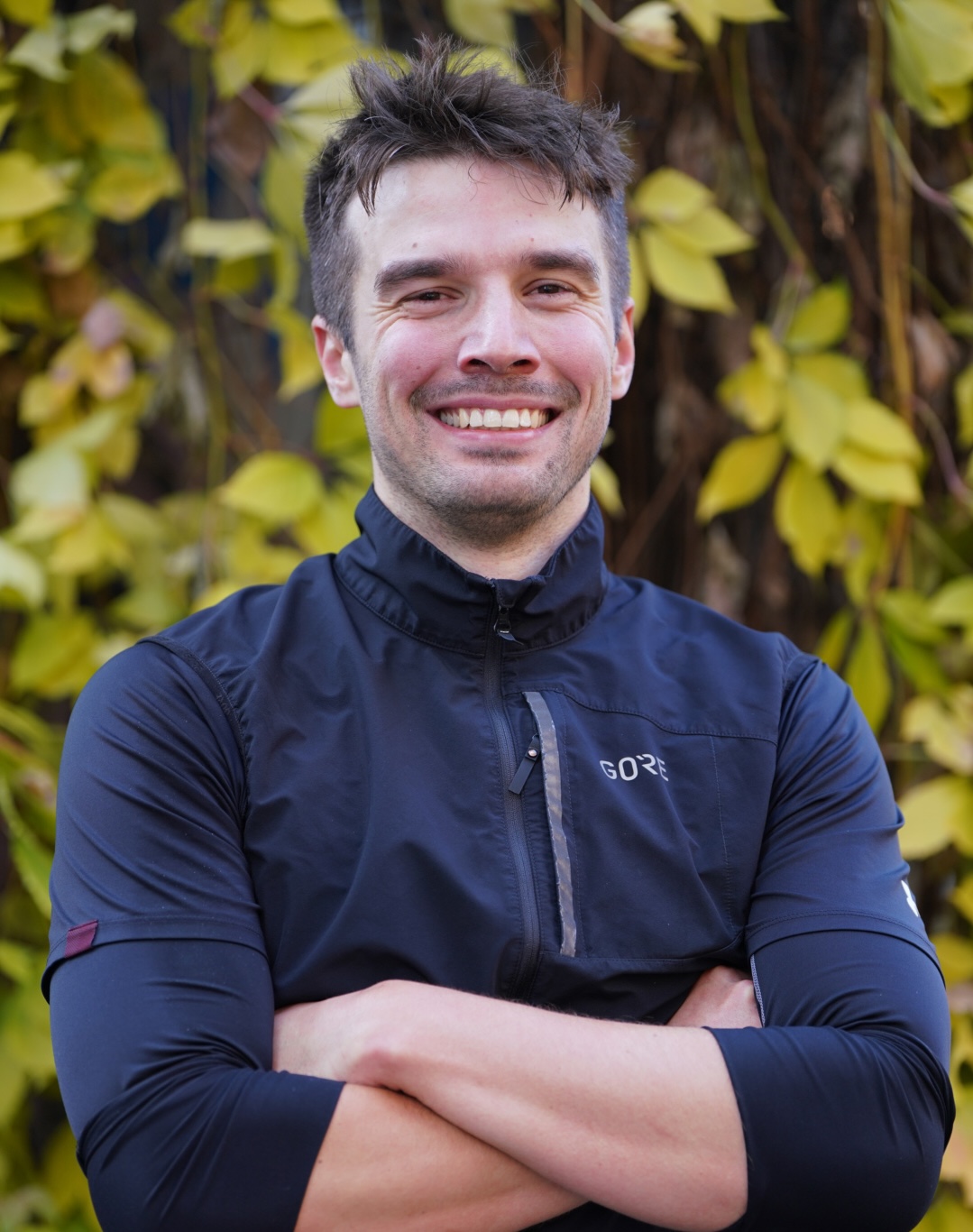
Robin Goetz
Co-Founder, CTO
Last Friday morning in Berlin, somewhere past kilometer 10, I started crying.
I wasn’t listening to music. Just footsteps, breathing, my mind wandering as the kilometers added up. When your legs get heavy enough, when you’re tired enough, you can’t keep the door closed anymore. Whatever you’ve been holding back comes pouring out.
The NFL was everywhere that weekend. I’d passed the Brandenburg Gate where they’d planted massive letters - NFL - turning the German capital into a backdrop for American football. The Colts and Falcons were playing Sunday. Flags, fan zones, the league had turned Berlin into a stage.
I was crying about Marshawn Kneeland.
Twenty-four years old. Dallas Cowboys defensive lineman. Scored his first NFL touchdown three days before he killed himself.
The tears came before I understood they were coming. The day before, I’d given a talk at a tech conference - it went well, the stress was gone. I spent the day and evening talking with other developers, good conversations that ran late. I’d woken up feeling good, ready to run Berlin.
But suddenly I’m weeping on a street next to the Berlin wall, face wet.
There was a tweet I’d seen: “He was living the dream just three days ago.”
Living the dream.
The person who tweeted that probably didn’t know Marshawn’s mother died right before he got drafted. Didn’t know he wore her ashes around his neck on the field. Didn’t know that while everyone else worried about 40-yard times and bench press reps, he was grieving the most important person in his life.
But it wouldn’t have mattered. We can’t imagine an NFL player being unhappy. The touchdown, the contract, the jersey - that IS happiness to us. What could possibly be wrong?
I kept running, crying harder now. How do you admit you’re suffering when everyone keeps telling you you’re living the dream? How do you say “I’m drowning” when millions would trade places with you in a heartbeat? How do you ask for help when asking for help means admitting the thing everyone celebrates is the thing that’s killing you?
My Own Version of the Dream
I was living my own version of the dream once. I played for FC Augsburg’s Bundesliga soccer academy. The kind of place kids would kill to get into. I was fifteen, maybe sixteen, practicing with the U17 team because I was “good enough” to train up. Living the dream.
The coach was the kind of hard that people mistake for tough love - the kind that’s just cruelty with a whistle.
One night after training, I ended up on my bathroom floor. I put my hands around my own neck. Not squeezing. Not suicidal. Just… there. I wanted to feel something other than the weight in my chest. I wanted to stop feeling like absolute shit week after week after week. I was exhausted.
But I couldn’t quit. The shame of walking away felt worse than the pain of staying. At least suffering meant I was still fighting. Quitting meant I’d given up.
Every weekend my worth was on trial. Somewhere in that academy, I’d lost the ability to distinguish between my worth as an athlete and my worth as a human being. They’d merged into one measurement: performance. After every mistake, I felt myself disappearing - not just as a player, but as a person. If I couldn’t perform, I didn’t deserve to exist. Not on the field. Not anywhere.
This was my reality with maybe a hundred people watching.
Marshawn had tens of thousands. Every weekend. Millions more on television. Highlight reels analyzed. Social media dissecting every play.
And he couldn’t just walk away that easily. Not with the money. Not with the status. Not when literally everyone was telling him he was living the dream.
I don’t know what Marshawn felt in his final moments. But I imagine it was some version of what I felt on that bathroom floor: the exhaustion of pretending. The impossibility of asking for help when asking for help means admitting you’re weak. And weakness, in sports, in masculinity, in the culture we’ve built, is the one unforgivable thing.
Thirty Seconds of Being Seen
By the time I got back to the hotel, my face was covered in salt - tears and sweat mixed together, skin still red. Mark was outside with his camera - he’s part of the Google team behind the framework we were all there to learn about. He’s also a photographer. He was taking someone’s picture. I waited, then asked if he’d take one of me too.
“Of course!” The way he said it - like it was his pleasure, not a favor.
He positioned me. Cross your arms. Lift your chin. He has this energizing way of talking. When he got the shot: “That’s it! That’s awesome!”
Thirty seconds of being celebrated just for existing. Not for performing. Just for being there.
I told him about my run. The Brandenburg Gate. The NFL. About Marshawn. About what happens when you can’t separate who you are from what you do.
Mark shared his own fear: What happens when he’s not at Google anymore? Who is he without that status? How do you untangle your worth from your work, from what people see when they look at you on stage?
This. This is what I wanted to hold onto. Human to human. No highlight reel. No stats. No conference talks. Just two people admitting the weight of being seen and the fear of not being enough.
This is what Marshawn needed. What we all need.
Not a moment of silence before the game goes on. Not a tweet about living the dream. Not stats in an obituary.
Someone asking: Who are you when you’re not in that uniform? Someone saying: You don’t have to be strong right now. Someone taking thirty seconds to see you as human.
It’s Not Too Late
Right now, somewhere, another young athlete is learning that their worth is their performance. That weakness is unforgivable. That once you “make it,” your pain becomes impossible for others to imagine.
I didn’t know Marshawn Kneeland. I only know we celebrated his first touchdown three days before his death. We never asked if he was okay. We couldn’t imagine the question even mattered. He was in the NFL. He was living the dream.
That Sunday in Berlin, they held a moment of silence for him. Then 72,203 people watched the Colts beat the Falcons 31-25. The game went on. It always does.
But I keep thinking about Mark outside that hotel. Two people admitting the weight of trying to be more than what we do. That vulnerability - that’s what could have saved Marshawn.
We’re all just humans trying to remember we’re more than our achievements.
Marshawn was more. We saw it too late.
But it’s not too late for the person next to you. Your colleague who just got promoted. Your friend whose Instagram looks perfect. The athlete everyone says is living the dream.
See them. Really see them. Take the thirty seconds. Make space for the truth.
That’s how we change this. One real conversation. One person willing to admit they’re struggling inside their success. One moment of choosing connection over performance.